London: A City of Layers
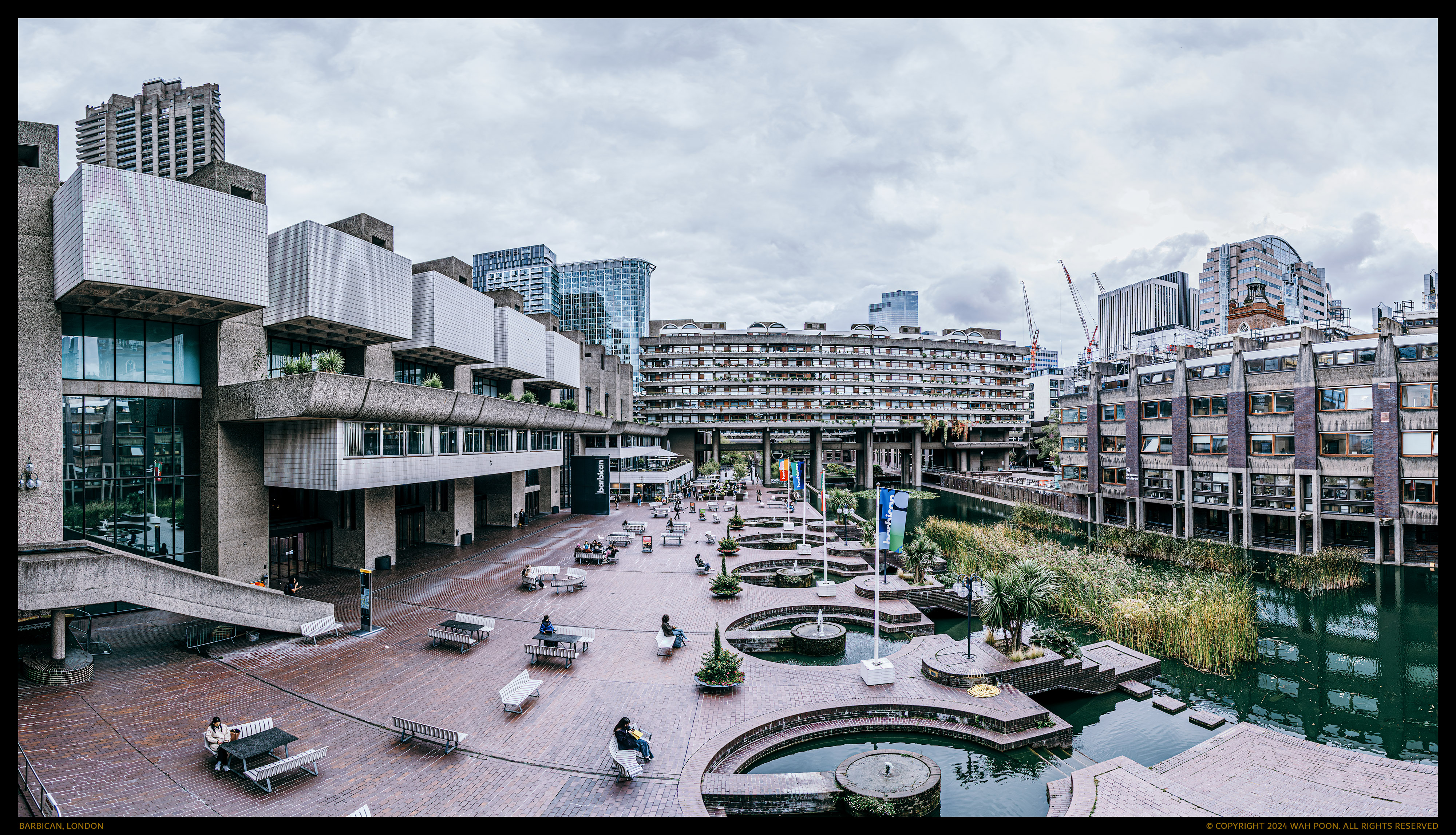
London is a city of geological and architectural sediment. The Thames cuts through layers of clay, gravel, and chalk, just as the city’s history cuts through Roman Londinium, medieval walled towns, and the Victorian sprawl. A standard telephoto lens isolates a spire or a facade, but the expanse view captures the friction between them. It shows how the Christopher Wren dome of St Paul’s doesn’t just sit in the sky; it rises from a specific, chaotic bed of post-war concrete and glass.
We spent October moving through the city’s "villages" — a term Londoners use to describe neighborhoods that still retain a distinct, pre-subway identity. The light in autumn is less about warmth and more about clarity; the low sun angle at 51 degrees north creates long, sharp shadows that define the texture of Portland stone and red brick. It is a city best photographed when the sky is a flat, bright white, acting as a neutral backdrop for the masonry.
The River and the Spires
The Thames is the city’s primary organizing line. From the expanse perspective on the South Bank, the Palace of Westminster is not just a gothic revival masterpiece; it is part of a riverine skyline that includes the brutalist National Theatre and the Shard. The width of the frame forces the eye to travel the distance between these eras. It reveals the "protectable vistas" that London planners have fought to keep since the 1930s — the sightlines that ensure St Paul’s remains a focal point even as the City of London grows a forest of skyscrapers around it.
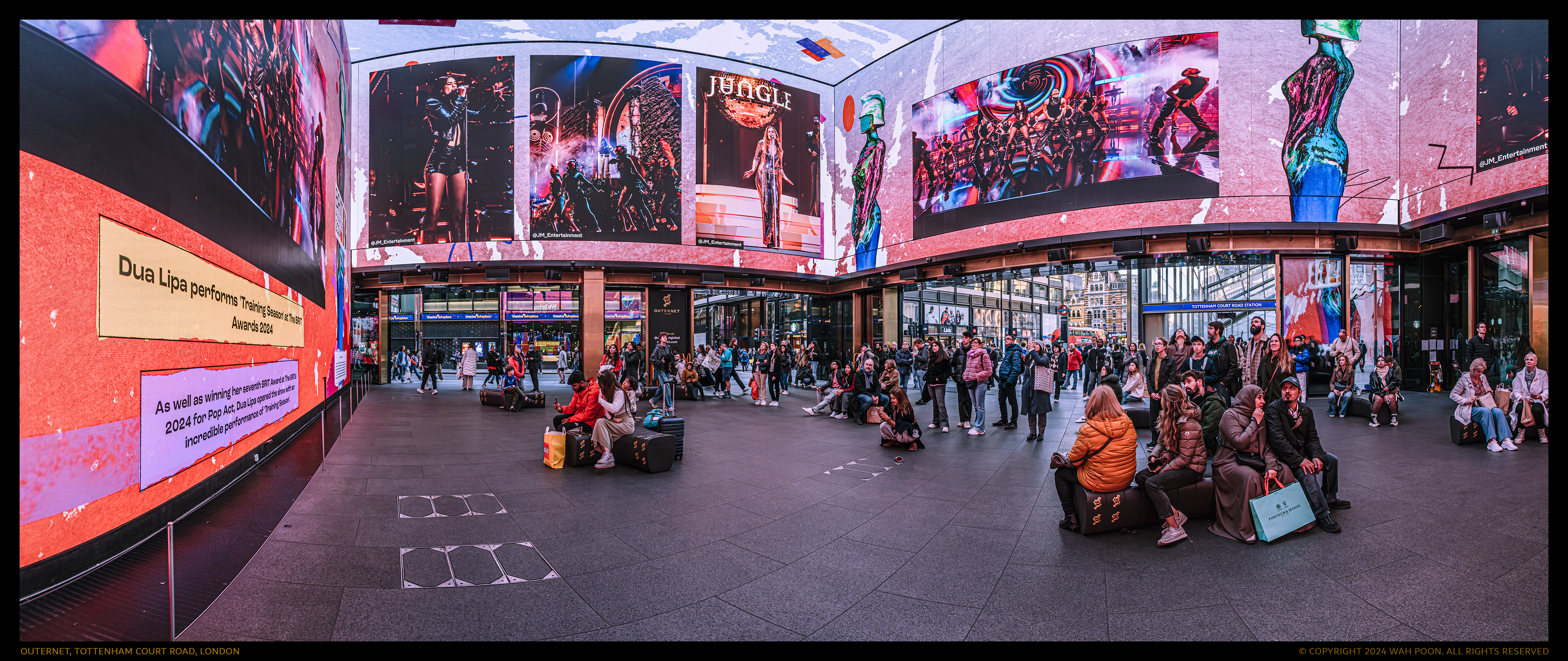
Tower Bridge acts as a visual hinge between the historic port and the modern regeneration of the Docklands. In a narrow crop, it is a cliché. In a wide panorama, it is a marker of scale, showing how the river widens and the architecture shifts from the ornate Victorian engineering of the bridge itself to the sleek, commercial verticality of Canary Wharf in the distance.
The Green Grid
London’s identity is tied to its parks, which were once the private hunting grounds of monarchs. Hyde Park, in a expanse frame, reveals the sheer scale of these green spaces. They are not just patches of grass but vast, undulating landscapes that dictate the city’s microclimates. The panorama captures the transition from the manicured, formal gardens of the 19th century to the "wild" woodlands that were carefully cultivated to look natural.
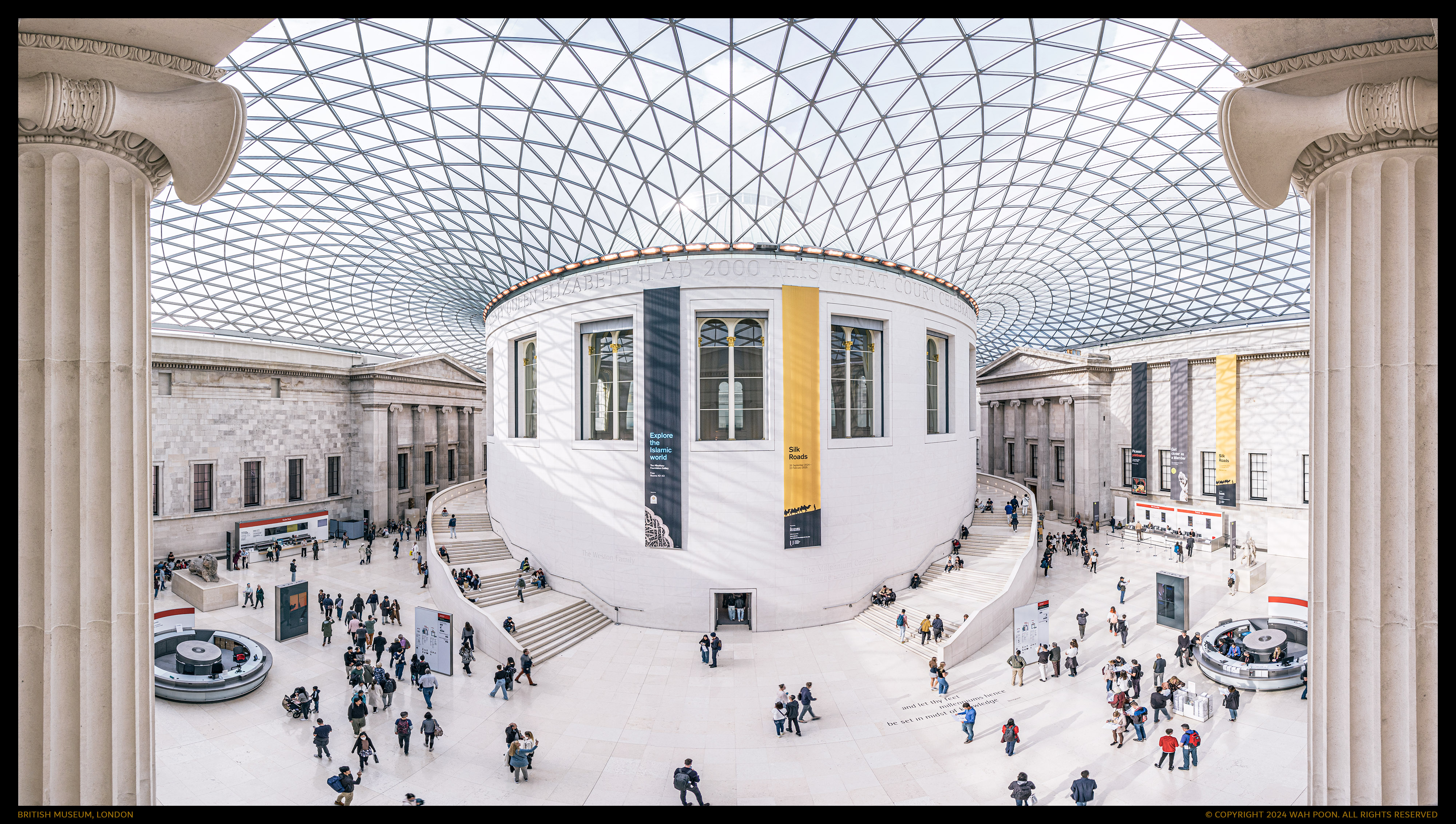
The park also serves as a social barometer. The wide angle shows the proximity of the ultra-wealthy enclaves of Kensington to the bustling, commercial energy of Marble Arch. It is a city where the boundaries between "public" and "private" space are constantly being negotiated, a tension that is only visible when you stop zooming in and start looking at the whole.
Technical Note
All London panoramas were captured in October 2024 using a motorized panoramic head with 60% frame overlap. Manual blending was required for exposures spanning the high-contrast Thames foreshore and shaded embankment walls.